
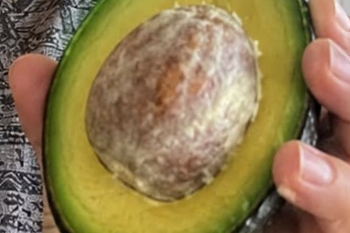
The taste tells the story. It’s earthy, sharp, almost woody — the kind of flavor that makes your tongue notice before your bloodstream does. And that’s exactly why so many people miss it: the pit doesn’t advertise itself, but inside the body it starts pressing on the very systems that get jammed up first.
The people who feel that jam most are the ones living with heavy legs, rising sugar, stubborn pressure, and that deep, tired drag that never fully lifts. Meals hit like bricks. Fingers swell. The head feels packed with static. And the usual advice sounds like wallpaper because nobody explains what’s actually clogging the pipes.
That’s the part that should make you angry. The food world sells the soft, pretty flesh and throws away the bitter core that carries the roughest chemistry — not because it’s useless, but because it doesn’t come dressed for a marketing campaign.
What’s happening inside is not magic. It’s chemistry with teeth.
The Bitter Flush Most People Never Use
Avocado seed tea works like a cellular scrub brush. The seed is packed with phenolic compounds and flavonoids that act like tiny debris collectors, grabbing oxidative trash before it can keep chewing on tissue.
Think of your cells like a kitchen sink after a week of greasy dishes. The water still runs, but the drain is coated, the flow is slow, and everything starts smelling off. Those compounds hit the system like a fresh blast of cleaner through the pipe, stripping the film that keeps blood vessels, nerves, and tissues stuck in the wrong gear.
That’s why the first thing many people notice is not some dramatic movie-scene miracle — it’s a quieter shift. The body feels less coated. Less heavy. Less like it’s pushing through mud all day. But that’s only the surface story, because the seed’s real trick is how it talks to circulation and sugar at the same time.
Here’s the underdog truth: Wall Street doesn’t build empires around a seed you usually scrape into the trash. No glossy ad campaign is going to put a pit on a billboard and charge you forty bucks for it. Not because it lacks power — because it doesn’t PAY.
And once that bitter chemistry starts moving, the next change shows up where people least expect it…
Why Blood Sugar and Pressure Feel the Shift First
When blood sugar runs wild, it’s like pouring syrup through a narrow straw. Everything slows, everything sticks, and the pressure behind the flow starts climbing. Avocado seed tea brings in raw biological fuel and fiber-like compounds that help blunt that sticky surge, so the bloodstream stops getting hammered after every meal.
For the person who gets foggy, shaky, or ravenous an hour after eating, that matters. The body stops swinging from spike to crash like a broken pendulum. The kitchen quiets down. The brain stops begging for emergency fuel. And the day stops getting hijacked by food noise.
Blood pressure gets caught in the same trap. When vessels are irritated and narrowed, the heart has to shove harder, like a pump trying to force water through a kinked hose. The seed’s fire-smothering compounds help calm that internal irritation, and the flow can feel less like a battle and more like a current.
The difference is felt in the body before it’s ever talked about in a chart.
Then comes the circulation piece, and this is where people start paying attention. Warmth returns to cold hands. Heavy calves don’t scream as loudly after standing. The body feels less like a basement with bad plumbing and more like a house where the water finally reaches the upstairs sink. But the gut is where the whole thing gets even more interesting…
The Gut, the Immune System, and the Quiet Fire
Your gut is the forgotten second brain in your belly, and when it’s irritated, the whole house starts arguing. Bloating, pressure, sluggish digestion, and that bloated balloon feeling after a normal meal are often the body’s way of saying the internal neighborhood is backed up.
Avocado seed tea brings in compounds that act like a bio-rinse through that system. The bitter edge stimulates digestion, while the plant chemistry helps smother the little fires that keep the gut inflamed and cranky. You can almost feel the shift: less ballooning, less gurgling, less that tight waistband feeling that makes you want to unbutton your pants before dessert is even gone.
And when the gut settles, the immune system stops wasting energy on constant cleanup. That’s the hidden chain reaction. Less irritation in the belly means fewer alarms ringing everywhere else, so the body can redirect its ammunition toward repair instead of firefighting.
After a few days of consistency, the pattern gets clearer. Meals sit better. The afternoon slump loses some of its grip. The body feels less brittle, less reactive, less like a match waiting for a spark.
But there’s one detail that can wreck the whole process before it even starts…
How the Tea Turns into a Real-World Reset
People don’t need another vague “superfood” story. They need the part where the body actually changes.
That’s why the tea has to be made right: the seed washed, chopped or grated, then simmered long enough to pull the bitter compounds into the water. Too little heat and you leave the useful chemistry locked inside the pit. Too much and you scorch the edge into something harsh and useless, like burning coffee until the cup tastes like ash.
Used correctly, the tea can fit into a simple daily rhythm. A warm cup after a heavy meal. A cup in the afternoon when the body feels sluggish and fogged. A cup when the gut feels tight and overworked. The point is not decoration — it’s pressure on the systems that keep getting jammed.
And that’s why people keep coming back to it: not because it’s trendy, but because it gives the body something bitter, dense, and useful in a world that keeps handing out sugar-coated noise.
Sometimes the most overlooked part of the fruit is the part that makes the biggest difference.
P.S. The wrong move is tossing the seed into water whole and calling it done. That leaves the hardest compounds trapped behind a stone wall, and the tea turns weak and pale instead of dark, bitter, and active. Crack it, grate it, and give the water something to pull from — that’s the difference between a decorative cup and a real extraction. Next, the timing trick that changes how the body responds after your biggest meal.